
Vilon Peptide Research Guide: Evaluating the Lys-Glu Bioregulator
In the expanding field of molecular biology and cellular longevity studies, short-chain peptide bioregulators have become a primary focal point for cellular research. Among these small molecules, the synthetic dipeptide known as Vilon stands out due to its incredibly simple structure and distinct cellular mechanisms. Composed of just two amino acids, it bypasses the complex degradation pathways that often limit larger proteins, making it an elegant and highly stable compound for in-vitro and animal research models.
This technical guide provides laboratory buyers, academic investigators, and biomedical professionals with an objective breakdown of vilon, its documented scientific applications, and the safety and verification protocols required to source authentic, laboratory-grade material.
Vilon Peptide Facts & Highlights
Before diving into the underlying biochemistry, here is a concise baseline configuration of the material provided by Core Peptides Official:
-
Product Type: Synthetic Short-Chain Peptide Bioregulator.
-
Chemical Structure: Dipeptide consisting of L-Lysine and L-Glutamic Acid (Sequence: Lys-Glu).
-
Molecular Formula: .
-
Molecular Weight: .
-
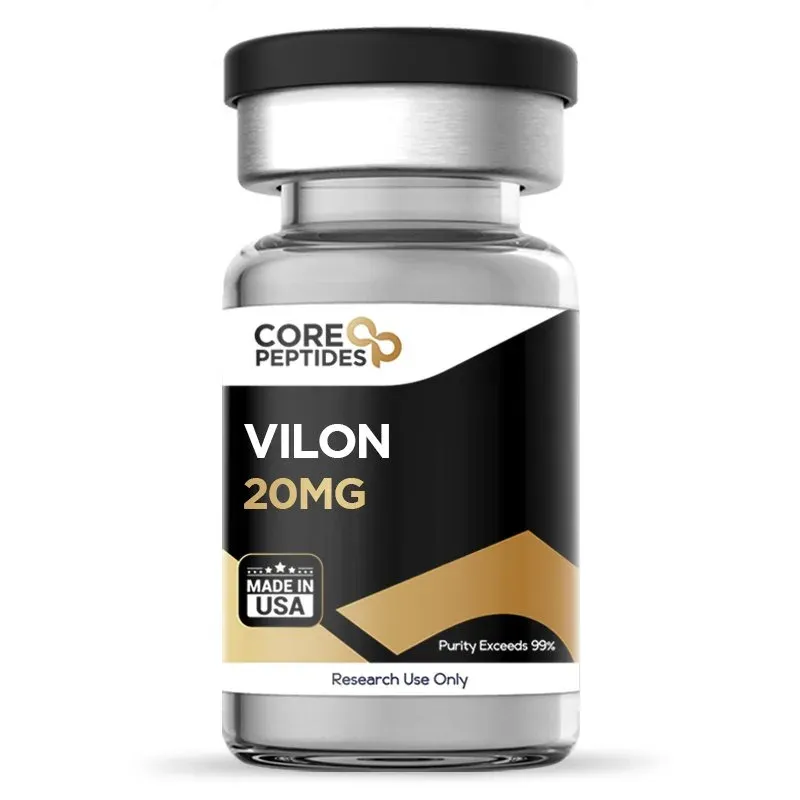
Format: 20mg lyophilized (freeze-dried) sterile white powder in a vacuum-sealed glass vial.
-
Purity Standard: Greater than or equal to 99% purity verified by independent third-party analytical testing.
-
Intended Use: Strictly for laboratory research, chemical synthesis, and in-vitro analytical testing. Not for human consumption, therapeutic use, or clinical application.
-
Storage Requirements: Store dry at to for short-term preservation, or below for extended storage. Protect from direct light and moisture.
What is the Vilon Peptide?
The vilon peptide belongs to a highly specialized class of short-chain peptides known as bioregulators, originally pioneered during longevity and immunological studies at the St. Petersburg Institute of Bioregulation and Gerontology. Structurally, this vilon bioregulator features an ultra-short peptide backbone containing only a single peptide bond linking L-Lysine and L-Glutamic Acid.
Because of its tiny molecular weight (), it possesses unique spatial characteristics that allow it to interact with chromatin—the dense structural package surrounding DNA inside a cell’s nucleus. Unlike large hormone or signaling proteins that must bind to external cell-surface receptors to trigger a cascading effect, cellular models suggest that ultra-short dipeptides like the vilon peptide can penetrate the cellular and nuclear membranes directly to modulate protein synthesis and gene expression at the transcriptional level. As a synthetic compound, it is also referred to in early clinical literature as vilone or vilona depending on the specific regional patent filings.
Key Benefits and Use Cases in Laboratory Research
In laboratory models, vilon peptide benefits are predominantly centered around cellular senescence (aging), gene transcription regulation, and immunological pathways. While this compound is often discussed online under consumer search terms like vilonity, its actual relevance remains confined to these core research frameworks:
1. Chromatin Activation and Epigenetic Modification
The primary mechanistic hallmark observed in a vilon bioregulator assay is its reported capacity to induce chromatin decondensation. As cells age, areas of the genome naturally condense or “heterochromatinize,” making those specific genes inaccessible for transcription. Research in cultured lymphocytes from older donors indicates that exposure to the Lys-Glu sequence helps uncoil these compacted DNA regions, effectively reactivating previously silent ribosomal genes and restoring baseline transcription activity.
2. Immunological Pathway Regulation
Classified widely in literature as an immunomodulatory agent, studies on the vilon peptide focus heavily on its interaction with thymic tissue and immune cells. In vitro spleen and thymus cell cultures demonstrate that the dipeptide influences the expression of lymphocyte activation markers and upregulates the synthesis of critical signaling cytokines, such as interleukin-2 (IL-2). This makes vilone a crucial control agent in experiments tracking T-cell differentiation and helper T-cell survival dynamics.
3. Vascular and Tissue Homeostasis
Animal models simulating tissue stress and age-related physiological decline have revealed that the vilon peptide supports structural preservation. Studies in rodent models experiencing tissue failure show that the peptide downregulates certain tissue-degrading proteins (like transforming growth factor-beta) and stabilizes capillary permeability. The vilon bioregulator is also utilized in research examining passive nutrient absorption and enzymatic activity across the microvasculature of the small intestine.
Quality, Purity, and Testing Standards
When procuring compounds in the research chemical marketplace, analytical validation is the only true line of defense against sub-par materials. Because dipeptides are structurally brief, any synthesis error or unremoved byproduct can fundamentally change the compound’s behavior in an assay.
At Core Peptides Official, we enforce strict batch-level validation protocols. Every container of vilona or vilone must pass two primary independent tests before being cleared for distribution:
-
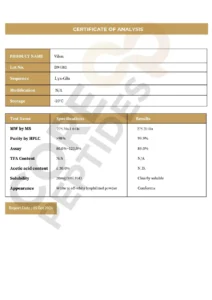
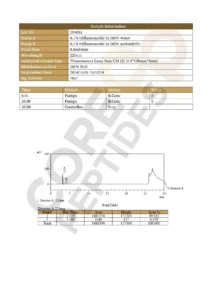
High-Performance Liquid Chromatography (HPLC): This technique separates the chemical components within a sample to confirm absolute chemical purity. Authentic material must show a single, clean peak reaching a threshold of greater than or equal to 99%, indicating a total absence of residual solvents, truncated sequences, or industrial byproducts.
-
Mass Spectrometry (MS): While HPLC verifies purity, MS verifies identity by measuring the exact mass-to-charge ratio of the molecules. A verified batch of this vilon peptide will return a molecular mass peak precisely matching the target mass of .
How to Evaluate This Product Before Buying
To protect your research budgets and maintain project integrity, always verify these operational milestones before completing a checkout:
-
Examine the Certificate of Analysis (COA): A trustworthy supplier will provide a transparent, legible COA issued by an independent laboratory. Verify that the date is current, the batch number matches your vial of the vilon peptide, and the signature or stamp is verifiable.
-
Inspect the Sequence Specifications: Ensure the product listing explicitly details the “Lys-Glu” sequence, correct CAS number (45234-02-4), and precise molecular weight of the vilon bioregulator. Avoid listings using vague marketing terminology that obscure the exact chemical makeup.
-
Analyze the Labeling: Compliant, professional materials must feature unambiguous labeling stating “For Research Use Only.” The absence of clear research language or the presence of an unauthorized vilon peptide dosage chart for human consumption is an immediate warning sign of an illegitimate or non-compliant supplier.
Storage, Handling, and Usage Considerations
Because vilon is provided as a lyophilized powder, it exhibits excellent structural stability during normal transit and room-temperature exposure. However, once it arrives at your facility, proper handling protocols are required to avoid rapid degradation:
-
Lyophilized Powder Storage: Keep un-reconstituted vials stored between and for short-term preservation. For long-term archiving up to 24 months, store the vials of this vilon bioregulator at or below .
-
Reconstitution Standards: When preparing the compound for liquid-phase assays or spectrophotometric evaluation, reconstitute utilizing sterile bacteriostatic water or laboratory-grade phosphate-buffered saline (PBS). Gently swirl the vial; never shake it aggressively, as severe agitation can disrupt delicate secondary peptide bonds.
-
Liquid Phase Stability: Once reconstituted, liquid peptide solutions are far more fragile. Store reconstituted vilone or vilona solutions in a laboratory refrigerator at to and utilize the fluid within 7 to 14 days. Avoid repeated freeze-thaw cycles, which introduce physical shear stress to the molecules.
🔬 Expert Insight / Pro Tip
When designing an experiment involving short-chain bioregulators, pay close attention to the structural simplicity of the dipeptide. Because the vilon peptide is a native Lys-Glu sequence, it does not require cellular carrier proteins or complex enzymatic cleaving to become active. If your in-vitro assay includes dense cellular media or enzymatic environments, run standalone control tests to accurately isolate the baseline degradation rate of the vilon bioregulator, ensuring your final data accurately reflects its direct genomic interactions rather than external cellular metabolism.
Why Choose CorePeptidesOfficial.com?
Core Peptides Official is committed to supporting scientific progress by delivering verifiable, premium-grade research tools. We bridge the gap between industrial chemical synthesis and individual laboratory needs by providing:
-
Full Transparency: Every single batch of our vilon peptide lineup is backed by a fully accessible, verifiable independent third-party COA confirming structural identity and purity.
-
Preserved Molecular Integrity: Our state-of-the-art lyophilization and vacuum-sealing processes remove all atmospheric moisture from the vial, preventing hydrolytic degradation during storage and transit.
-
Secure, Professional Logistics: We utilize specialized handling, protective packaging, and fully secure, encrypted checkout structures to protect both your material quality and your financial data.
Common Mistakes to Avoid When Sourcing Vilon
-
Confusing Search Terms with Chemical Identity: Internet searches for unrelated geographic or consumer topics—such as hotel vilon rome, hotel vilon, vilone park, electric vilon, or clothing promotionals like code promo moda vilona and references to individual names like amelia vilona—frequently pollute search indexes. Always search purely by chemical name, structural sequence, or CAS number (45234-02-4) to ensure you are viewing valid scientific data.
-
Searching for a Vilon Peptide Dosage: Because this compound is strictly prohibited for human clinical use, there are zero authorized, safe, or validated vilon peptide dosage guidelines available. Attempting to apply arbitrary animal-model data to a human context is scientifically invalid and potentially dangerous.
-
Accepting Unverified Purity Claims: Many low-tier brokers copy and paste text claims of “99% purity” without providing a traceable analytical graph for their vilon bioregulator batches. Never proceed with a purchase unless the supplier provides transparent data proving they actively test every specific production run.
Final Buying Guidance
If your laboratory is preparing an upcoming study involving epigenetic regulation, thymic immunomodulation, or cellular longevity cascades, the vilon peptide represents a highly stable, predictable, and responsive model compound.
Prior to completing your purchase at Core Peptides Official, ensure that your laboratory possesses the appropriate reconstitution media, ultra-low temperature storage facilities, and calibrated analytical instrumentation required to execute your protocols successfully. Select your required quantity of the vilon bioregulator with confidence, knowing that your workflow is fully backed by peerless purity metrics and verified quality assurance.
Frequently Asked Questions
What is the exact amino acid sequence of the Vilon peptide?
Vilon is a synthetic dipeptide composed of L-Lysine and L-Glutamic Acid, universally abbreviated in biochemical literature as the Lys-Glu or KE sequence.
Can this product be used for clinical or medical purposes?
No. Vilon is manufactured, labeled, and sold strictly as a laboratory-grade research chemical. It is explicitly not approved for human or veterinary administration, diagnostic procedures, or therapeutic treatments, meaning you will never find a verified medical vilon peptide dosage guideline.
What is the difference between the Vilon bioregulator and Epithalon?
While both are synthetic peptide bioregulators developed within longevity research frameworks, they have completely different chemical structures and target mechanisms. Vilon is a dipeptide (two amino acids: Lys-Glu) primarily studied for chromatin activation and thymic immune function. Epithalon is a tetrapeptide (four amino acids: Ala-Glu-Asp-Gly) primarily studied for its interaction with telomerase pathways.
Why is Vilon supplied under alternate names like vilone or vilona?
Depending on the country of origin, publication translations, and original manufacturing patents from the St. Petersburg Institute of Bioregulation, the spelling may vary slightly as vilone or vilona, but they all refer to the identical Lys-Glu dipeptide.
How do I access the Certificate of Analysis for my purchase?
Core Peptides Official provides traceable digital access to the specific batch HPLC and Mass Spectrometry documentation directly on our website or upon request via our customer support portal, allowing you to verify the exact purity metrics of your vilon peptide order before initiating your experiment.
Certificate of Analysis
HPLC
Mass Spectrometry

Be the first to review “Vilon ( 20mg )”
Related products
Peptides
Peptides
Reviews
There are no reviews yet.