
Follistatin 1mg: The Comprehensive Laboratory Reference Guide
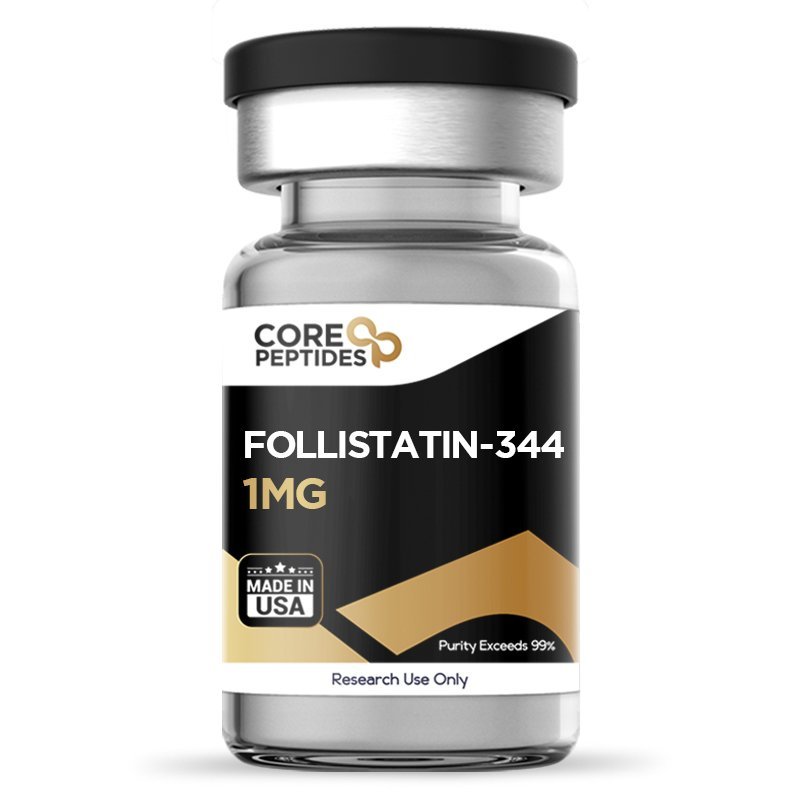
When sourcing follistatin for cellular assays or systemic replication models, maintaining strict scientific control over your biochemical reference material is vital. Hidden structural variations, degraded proteins, or unverified purity levels can completely skew cellular proliferation metrics and alter your study’s results. This comprehensive buying and research guide breaks down the molecular parameters, purity standards, and evaluation protocols for the premium follistatin-344 1mg lyophilized vial available at CorePeptidesOfficial.com. Our goal is to provide lab managers, independent researchers, and clinical procurement agents with the data required to securely choose when to buy follistatin.
Quick Facts & Follistatin 344 Highlights
-
Product Type: Glycoprotein / autocrine modifier agent (follistatin protein sequence).
-
Primary Compound: Recombinant human follistatin 344 isoform.
-
Total Content: 1mg of pure, moisture-depleted lyophilized white powder cake per vial.
-
Purity Standard: $\ge 95\%$ or higher purity confirmed by batch-specific third-party HPLC and SDS-PAGE analysis [verify with brand/source].
-
Physical Format: Vacuum-sealed glass injection vial with an airtight rubber stopper.
-
Intended Use: Exclusively intended for in vitro laboratory replication, cell culture testing, and biochemical research assays. Not for human or veterinary use.
-
Storage Requirements: Resilient at room temperature during brief transit windows. Requires long-term storage at -20°C or -80°C for absolute stability.
-
Ideal Fit: Certified academic laboratories, biotechnology institutions, and independent researchers seeking a verifiable source of follistatin 344 for sale.
What the follistatin 344 Is
To establish clean laboratory baselines, researchers must first look past marketing hype to understand what is follistatin from an analytical perspective.
So, what exactly is the peptide follistatin molecule? Unlike small synthetic short-chain peptides that contain only three or four amino acids, follistatin is a complex, naturally occurring autocrine glycoprotein. It is encoded by the FST gene in humans. Its primary biochemical function across biological systems is its role as a potent, high-affinity binding partner to transforming growth factor-beta (TGF-beta) superfamily proteins, most notably myostatin and activin.
When navigating listings to buy the compound, you will find multiple structural variants. Understanding these differences prevents sourcing errors:
-
Follistatin 315: This is the primary circulating isoform in the blood, containing a structural C-terminal tail that allows it to float freely throughout systemic pathways.
-
Follistatin 344: This is a pre-mRNA precursor sequence that plays a key role in muscle tissue localized expression. In molecular research, the follistatin 344 peptide is highly preferred due to its focused tissue targeting and structural stability in cellular assays.
When exploring online search trends or spaces like a follistatin reddit board or a follistatin 344 reddit thread, you will often find discussions comparing the protein to alternative gene therapies. Advanced biotech platforms look into complex systems like follistatin gene therapy, minicircle follistatin, and non-viral vector delivery models. These complex designs are explored to study how to induce long-term genetic changes in cellular lines.
By contrast, purchasing a raw lyophilized follistatin 344 vial gives researchers immediate, precise control over dosing concentrations. This is ideal for short-term variable testing without the unpredictable risks and massive expenses associated with full follistatin gene therapy cost arrays.
Follistatin peptide Key Benefits or Use Cases
Biotech laboratories utilize follistatin peptides to observe structural muscle cell growth, skeletal density pathways, and cellular proliferation limits. Peer-reviewed cellular literature focuses primarily on several core follistatin 344 benefits:
Myostatin Cascade Inhibition
The primary focus area of follistatin protein research involves mapping its interaction with myostatin (GDF-8). Myostatin acts as a natural biological brake, halting muscle tissue growth to prevent excessive cellular development. By introducing follistatin-344, researchers observe how the molecule binds directly to myostatin, preventing it from attaching to cell receptors and allowing skeletal muscle cultures to proliferate freely.
Activin Blockade and Follicular Proliferation
In cellular development assays, investigators use the molecule to inhibit activin signaling paths. This allows scientists to track cellular differentiation rates, analyze liver cell regeneration cycles, and monitor specific wound-healing mechanisms inside tissue culture environments.
Muscle Preservation Metrics
On public forums like a follistatin 344 reddit community, researchers often exchange data regarding the compound’s preservation features. Studies look into whether the glycoprotein can prevent tissue wasting in models suffering from induced muscular dystrophy or severe cachexia.
follistatin-344 Quality, Purity, and Testing Standards
The global market for research chemicals can be volatile. Unverified suppliers frequently distribute low-quality proteins or mislabeled vials containing residual bacterial endotoxins from the synthesis process. Because it is a large glycoprotein rather than a small peptide, simple visual inspection cannot confirm structural correctness. If you look for follistatin near me on unverified fitness blogs or buy cheap follistatin supplements, you risk introducing highly contaminated materials into your lab.
CorePeptidesOfficial.com addresses these testing vulnerabilities through an independent, multi-tiered batch testing protocol:
+-------------------------------------------------------------------------+
|                  CORE PEPTIDES THREE-TIER QUALITY WORKFLOW              |
+-------------------------------------------------------------------------+
|  1. HPLC & SDS-PAGE PASS   |  2. MASS SPECTROMETRY    | 3. VACUUM LOCK  |
|                            |                          |                 |
|  Confirms correct isoform  |  Validates molecular weight| Lyophilized and |
|  structure and purity      |  to match the precise    | sealed to shield|
|  baselines >= 95%.         |  glycoprotein sequence.  | moisture risks. |
+----------------------------+--------------------------+-----------------+
-
HPLC and SDS-PAGE Testing: Due to the larger molecular size of glycoproteins, we run standard High-Performance Liquid Chromatography (HPLC) alongside Sodium Dodecyl Sulfate-Polyacrylamide Gel Electrophoresis (SDS-PAGE). This confirms correct isoform structure and checks that the purity meets or exceeds clinical baselines.
-
Mass Spectrometry (MS): This analytical step validates the identity of the compound by measuring its precise molecular weight, ensuring that the actual sequence matches the true synthetic follistatin-344 chain.
-
Vacuum-Sealed Lyophilization: Freeze-drying inside an oxygen-free vacuum environment removes moisture, stabilizing the peptide bonds for long-term storage.
How to Evaluate This follistatin protein Before Buying
To maintain data integrity and protect your lab assays from cross-contamination, verify these key factors before completing your checkout:
-
Examine the Certificate of Analysis (COA): Every valid COA must showcase a clear, single peak on the HPLC graph matching your specific vial’s batch number.
-
Validate Product Labeling Language: Ensure your vendor provides explicit “For Laboratory Research Use Only” warnings to satisfy international safety guidelines.
-
Verify Shipping Handling Standards: Check that the vendor uses insulated, temperature-controlled packaging to prevent peptide degradation during transit.
Folistatin Storage, Handling, or Usage Considerations
Because synthetic glycoprotein structures are exceptionally fragile, improper handling can denature the sequences and compromise your experimental results.
Storage of Unopened Vials
Keep dry, raw vials stored away from direct light and ambient humidity. For immediate use within a brief multi-week window, maintaining temperatures between 2°C and 8°C is sufficient. For long-term lab archives, freeze the vials at -20°C or -80°C inside a manual-defrost unit.
Reconstitution Best Practices
To transition the lyophilized cake into an active testing reagent, labs utilize specific preparation workflows:
-
Solvent Selection: Reconstitution typically requires sterile bacteriostatic water or laboratory saline solutions, depending on your target cell environment.
-
Fluid Introduction: Gently run the solvent down the inner glass wall of the vial. Do not spray fluid directly onto the powder cake.
-
Dissolving Process: Avoid mechanical vortex mixers or shaking. Gently roll the vial between your palms until the solution becomes completely transparent. Shaking can fracture the protein bonds.
Post-Reconstitution Lifespan
Once liquid introduction occurs, structural stability drops. Store liquefied peptides on a steady internal shelf between 2°C and 8°C. Avoid the refrigerator door to prevent regular movement or slamming from causing mechanical shock. For optimal data accuracy, utilize your reconstituted solution within a 7-day timeline [verify with brand/source].
Expert Insight / Pro Tip
Analytical Pro-Tip: When planning a follistatin peptide dosage tracking study for myostatin receptor binding, verify your cell line baseline metrics with a standardized follistatin elisa kit. In vitro assays are highly sensitive to cell density. For maximum data reliability, introduce the liquid solution when cultures are at 70% confluence. This approach provides a clear window to track changes in protein synthesis and prevents overcrowding from skewing your replication data.
Why Choose CorePeptidesOfficial.com?
CorePeptidesOfficial.com provides global laboratories with pure, traceable research chemicals:
-
Full Traceability: We offer clear, accessible paths to fresh HPLC and mass spectrometry data sheets for every single batch, ensuring you verify structural authenticity prior to initiating testing.
-
Robust Vial Integrity: Our vials feature thick borosilicate glass, durable rubber stoppers, and tamper-evident flip caps to lock out oxygen and humidity.
-
Compliant Logistics Control: All orders are packed inside insulated, shock-absorbent containers to protect structural stability from transit hazards.
Common Mistakes to Avoid
-
Confusing Lyophilized Proteins with Follistatin Supplements: Buying consumer-grade follistatin tablets or liquid follistatin supplement products is a major mistake. These retail items rarely contain active, functional glycoproteins and are highly unsuitable for strict laboratory assays.
-
Relying on Generic Before and After Reports: Reviewing online marketing logs like follistatin before and after pics or follistatin 344 before after bodybuilding diaries provides no quantitative value for strict scientific inquiry. Real cellular research requires measuring precise, verified molecular weights.
-
Failing to Track Isoform Differences: Accidentally swapping out a localized follistatin-344 sequence for a circulating follistatin 315 variant will completely disrupt your biological control variables.
Final Buying Guidance
When your research design requires tracking myostatin path inhibition, cellular regeneration metrics, or the operational differences of ace-031 vs follistatin 344, the purity of your starting reference material determines the validity of your study.
Ensure your laboratory equipment is properly calibrated for a high-purity follistatin profile before starting your preparation. To purchase fully verified, independently tested reference materials, visit CorePeptidesOfficial.com to browse our inventory, download current batch certificates, and complete your checkout securely.
Frequently Asked Questions
1. What is the operational difference between ace-031 vs follistatin 344?
While both compounds target myostatin paths to study cellular muscle growth, they do so through different mechanisms. Follistatin 344 is a direct peptide binding partner that wraps around myostatin to neutralize it. ACE-031 is a soluble decoy receptor fusion protein that mimics the ActRIIB receptor to catch myostatin before it reaches actual cell walls.
2. How should a follistatin 344 peptide vial be stored after arrival?
Unopened vials must be placed in a dark, cool space at 2°C to 8°C for immediate use, or frozen at -20°C to -80°C inside a manual-defrost scientific freezer to safely maintain long-term structural stability.
3. What is the difference between follistatin gene therapy vs. raw peptides?
Follistatin gene therapy (and platforms like minicircle follistatin) introduces a viral or non-viral DNA vector into an organism to trigger permanent, long-term genetic manufacturing of the protein. Sourcing an explicit follistatin 344 peptide vial provides a direct, finite milligram volume of the protein, allowing precise, short-term dosage control over isolated assay variables.
4. What are the reported follistatin side effects in clinical literature?
In controlled baseline animal models, significant toxicities or severe follistatin 344 side effects are rarely reported when following exact protocols. However, because it alters the broader TGF-beta pathway, excessive concentrations can sometimes cause joint structural changes or alter natural follicular development rates in target tissues.
5. Why are consumer-grade follistatin tablets or supplements ineffective for research?
True follistatin protein is a highly complex, fragile glycoprotein that degrades instantly if exposed to gastric enzymes. Consumer oral follistatin supplements do not contain active, bioavailable proteins, making them completely useless for strict laboratory assay settings.
Be the first to review “Follistatin-344 ( 1mg )”
Related products


Peptides
Reviews
There are no reviews yet.