
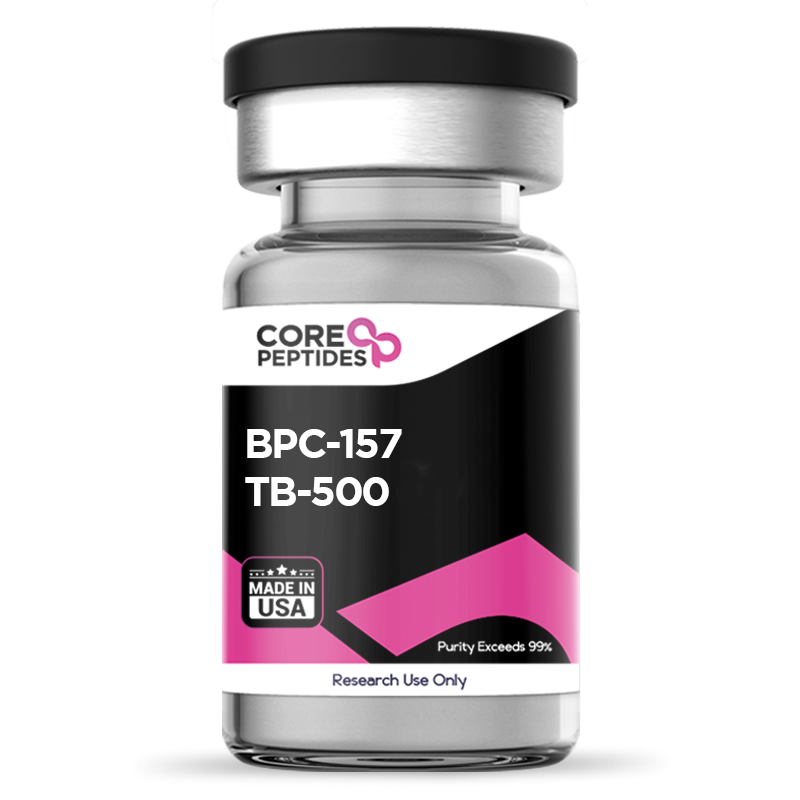
Buy BPC157 TB500 Blend Vials: Sourcing High-Purity 10mg/20mg Peptides
When sourcing premium research materials, evaluating the synergy of a bpc157 tb500 mixture is a top priority for clinical laboratories and structural biology teams. Instead of purchasing, storing, and reconstituting separate vials, procuring a pre-formulated bpc 157 and tb 500 blend optimizes bench time and keeps baseline experimental data tightly controlled. This combination has become the industry benchmark for investigating multi-pathway cellular repair, tracking extracellular matrix organization, and monitoring cellular migration rates.
To achieve reproducible results, procurement managers must locate a professional supplier providing strict batch-to-batch consistency. At CorePeptidesOfficial.com, we provide independent, third-party verified multi-peptide vials designed to strip out background variable noise from your assays.
Quick Facts / Product Highlights
-
Product Name: BPC-157 & TB-500 Peptide Blend (30mg Total Mass)
-
Mass Architecture: 10mg BPC-157 / 20mg TB-500 per vial [verify with brand/source]
-
Physical Format: Lyophilized (freeze-dried) vacuum-sealed powder cake
-
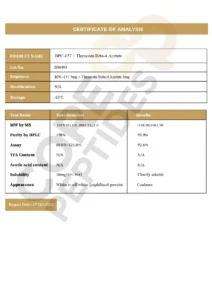
Purity Baseline: Minimum 98%+ purity verified by independent third-party testing
-
Primary Target Research: Angiogenesis tracing, actin up-regulation, and localized fibroblast migration models
-
In-Stock Availability: Available for immediate global dispatch, secure shipping, and wholesale bulk tier packaging
-
Intended Use: Exclusive laboratory research and development purposes only
What the bpc157 tb500 Is: The Science Behind BPC-157 and TB-500 Mixed Together
Sourcing a bpc157 tb500 combination provides researchers with two entirely independent cellular pathways inside a single test environment. Rather than competing for identical cell receptors, these two compounds complement each other during tissue remodeling assessments.
Understanding the TB 500 Peptide Component
The tb 500 peptide (often referenced simply as tb500) is a synthetic replica of the active site of Thymosin Beta-4. It is a highly mobile protein fragment containing 43 amino acids. Its main mechanism of action revolves around actin sequestration. By binding directly to actin molecules, tb 500 peptide variations assist cellular motility. This process allows repair cells to traverse long cellular distances and organize at injury points.
Understanding the BPC-157 Component
Conversely, BPC-157 is a synthetic 15-amino acid pentadecapeptide modeled after a protective gastric protein. While peptides bpc 157 and tb 500 both play roles in tissue repair studies, BPC-157 functions as a localized framework manager. It up-regulates vascular endothelial growth factor (VEGF) receptors. This process stimulates the budding of fresh capillaries (angiogenesis) to feed oxygen and vital structural blocks to damaged environments.
Key Benefits and Research Use Cases: TB 500 vs BPC 157 Synergy
When structural laboratories buy a bpc 157 and tb 500 blend, they are typically investigating the downstream cross-talk generated when localized vascular acceleration meets systemic cell migration.
1. Dual-Phase Tissue Remodeling
In structural damage models, tracing the benefits of bpc 157 and tb 500 simultaneously provides deeper data than testing either compound alone. BPC-157 initiates early growth response-1 (EGR-1) pathways to lay down fresh type I collagen matrices. At the exact same time, tb-500 and bpc-157 synergy allows newly migrated fibroblasts to settle efficiently inside that freshly constructed framework.
2. Microvascular Density Profiling
Angiogenesis modeling requires both cell movement and capillary structural support. While tracking bpc 157 and tb 500 benefits, investigators note that BPC-157 triggers the vessel-sprouting signals, while the actin mobilization from the tb 500 peptide helps smooth muscle cells stabilize the newly formed capillary walls.
Technical Sourcing Matrix: Comparing Forms and Formats
Understanding the exact physical requirements of bpc-157 tb-500 peptide blend scientific research helps procurement officers filter out low-tier market duplicates.
| Sourcing Metric | Pure Lyophilized Powder Blend | Oral BPC 157 and TB 500 Capsules | BPC 157 and TB 500 Nasal Spray |
| Purity Control | Excellent (98%+) via HPLC/MS | Low/Unverified (Heavily padded with binders) | Fluid degradation risks during transit |
| Molecular Structure | Vacuum-sealed cake prevents structural breakdown | Susceptible to enzymatic stomach destruction | Variable absorption makes tracking impossible |
| Research Utility | Exact milligram metrics for cellular assays | Consumer retail product; unsuited for lab data | High variance in drop size introduces noise |
| Best For | Institutional, academic, & private R&D | Broad consumer wellness retail [not for labs] | Non-standardized testing setups [not for labs] |
Practical Allocation Guide: BPC 157 and TB 500 Dosage Protocol
Developing an accurate bpc 157 and tb 500 dosage protocol requires careful calculation because the vial houses a unequal mass architecture (typically 10mg of BPC-157 paired with 20mg of TB-500).
Because there is no clinical or regulatory standard for human intake, researchers cannot calculate a bpc-157 and tb-500 dosage for injury repair based on personal wellness logs. Trying to pull a generic bpc 157 and tb 500 dosage chart from internet discussion boards—such as a bpc 157 side effects reddit post or a bpc-157 tb-500 blend supplement benefits dosage ad—introduces significant scientific risk.
Instead, lab technicians utilize an explicit tb-500 and bpc-157 dosage chart calibrated to the liquid diluent introduced during reconstitution. The following chart details an example distribution when a 30mg total mass vial (10mg BPC-157 / 20mg TB-500) is mixed with 2mL of Sterile Bacteriostatic Water:
| Liquid Vol. Withdrawn | Resulting BPC-157 Mass | Resulting TB-500 Mass | Primary Experimental Alignment |
| 0.05 mL (approx. 5 units) | 250 mcg | 500 mcg | Initial Baseline Micro-Tracing |
| 0.10 mL (approx. 10 units) | 500 mcg | 1,000 mcg | Standard Structural Tissue Assay |
| 0.15 mL (approx. 15 units) | 750 mcg | 1,500 mcg | Advanced High-Concentration Assay |
Quality, Purity, and Testing Standards
Because multi-peptide combinations are complex to synthesize uniformly, choosing the best place to buy bpc-157 and tb-500 means looking for absolute transparency. Substandard production lines often feature uneven peptide distribution, resulting in some vials containing almost pure tb500 while lacking the critical BPC-157 sequence entirely.
To satisfy international laboratory standards, CorePeptidesOfficial.com enforces a rigorous verification framework.
1. High-Performance Liquid Chromatography (HPLC)
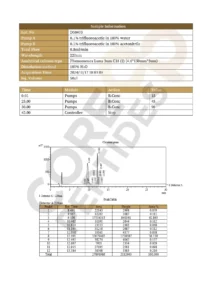
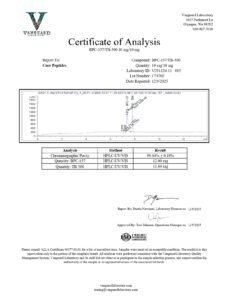
Every single production batch must be cleared by an independent testing facility via HPLC. This process yields an explicit purity graph showing exactly where the tb 500 and bpc 157 peaks sit. We refuse to list any batch that fails to hit a minimum 98% purity standard for both target compounds.
2. Mass Spectrometry (MS) Verification
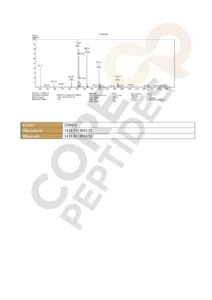
Mass spectrometry charts the precise atomic weight of the amino acid chains. This test guarantees that the bpc-157 and tb-500 mixed together have not bonded into an unstable compound or broken apart during the freeze-drying process.
Bpc157 tb500 Storage, Handling, and Reconstitution Considerations
Learning how to dose bpc 157 and tb 500 and handle the dry material correctly protects your lab budget from accidental fluid degradation.
Storage Instructions
-
Lyophilized Cake: Safely store unconstituted dry vials at -20°C for up to 24 months. Keep away from direct light exposure.
-
Reconstituted Solution: Once mixed with liquid, store inside a secure refrigerator at 2–8°C. For optimal study accuracy, complete your testing timeline within 21 to 30 days of mixing [verify with brand/source].
Common Sourcing Mistakes to Avoid when buying bpc157 tb500 from CorePeptidesOfficial.com
-
Purchasing Pre-Dissolved Liquids: Always avoid online suppliers that offer pre-reconstituted liquids. Peptides begin degrading immediately when exposed to water. True clinical-grade testing requires buying dry powder and mixing it on-site.
-
Overlooking Anti-Doping Regulations: For labs conducting competitive animal or athletic modeling, note that the World Anti-Doping Agency (WADA) maintains a strict ban on both BPC-157 and Thymosin Beta-4.
-
Trusting Uncalibrated Dosing Logs: Trying to copy a generic how to take bpc 157 and tb 500 guide designed for human consumers introduces massive math errors. Always cross-reference your specific syringe unit values with a dedicated multi-peptide calculator.
Why Choose CorePeptidesOfficial.com?
CorePeptidesOfficial.com is the trusted premier supplier for high-mass, premium-tier research peptides. We focus exclusively on strict manufacturing controls and total transparency.
-
Flawless Mass Distribution: Our state-of-the-art laboratory synthesis ensures that the 10mg/20mg mass architecture is perfectly balanced throughout the entire lyophilized cake.
-
Bulk Institutional Tier Pricing: We offer robust, transparent wholesale discount structures right at checkout, helping you maximize your quarterly laboratory purchasing power.
-
Climate-Protected Shipping: All shipments are packed in impact-resistant, insulated containers to ensure your research materials remain stable throughout the entire transit process.
Final Sourcing Guidance
The bpc157 tb500 blend provides an incredibly streamlined, high-performance option for modern laboratories tracking cell migration and microvascular repair. By insisting on verifiable independent HPLC data sheets and selecting a supplier built on transparent lab testing, you ensure your data remains highly repeatable and secure.
If you are ready to secure a fully verified batch for your facility, view our current wholesale tiers and purchase directly on the official CorePeptidesOfficial.com BPC-157 TB-500 Blend Product Page.
Frequently asked Questions
1. Where is the best place to buy bpc-157 and tb-500 online?
You can buy premium, batch-tested 30mg blend vials directly from the CorePeptidesOfficial.com Multi-Peptide Catalog. Every order includes comprehensive access to corresponding third-party HPLC/MS verification documents.
2. How much bacteriostatic water do I use for a bpc 157 and tb 500 blend?
Most laboratory protocols recommend reconstituting a 30mg total mass vial with 2mL of sterile bacteriostatic water. This specific liquid ratio yields a clean concentration, making it easy to withdraw precise individual micrograms during testing.
3. What is the fundamental difference in tb 500 vs bpc 157 tracking?
The key difference lies in their mechanism pathways. BPC-157 focuses primarily on localized vascular development and growth factor upregulation. TB-500 works at a broader systemic distance, using actin sequestration to drive cellular migration straight to the injury zone.
4. Can I buy bpc 157 and tb 500 capsules for lab research?
No, oral capsules are not suited for precise laboratory settings. Binders, fillers, and digestive enzyme degradation compromise data metrics. True research applications require pure lyophilized powder vials to ensure absolute dose delivery.
5. What are the known side effects documented in bpc 157 and tb 500 side effects reddit posts?
In formal laboratory settings, documented side effects are rare and generally limited to minor localized injection site irritation or mild changes in digestive motility models. Because these peptides do not alter endocrine or hormonal pathways, background variable noise remains extremely low.
Certificate of Analysis
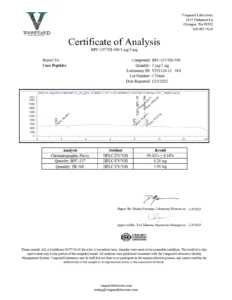
HPLC
Mass Spectrometry
Be the first to review “BPC-157 & TB-500 Blend ( 10mg/20mg )”
Related products
Peptides Blends
Peptides Blends
Peptides Blends
Peptides Blends
Peptides Blends
Peptides Blends
Peptides Blends
Peptides Blends
Reviews
There are no reviews yet.