
GHK Basic Peptide Guide: Quality, Testing, and Buying Insights
If you are looking to source high-quality ghk basic, navigating the research chemical market can be a complex task. With various formulations, purity levels, and suppliers available, making an informed procurement decision requires transparent, data-driven insights.
This comprehensive guide is designed for laboratory researchers, institutional buyers, and wellness researchers who need to understand the technical specifications of the ghk basic peptide, evaluate its laboratory quality, and choose the correct compound for their testing models.
Quick Facts & ghk basic Highlights
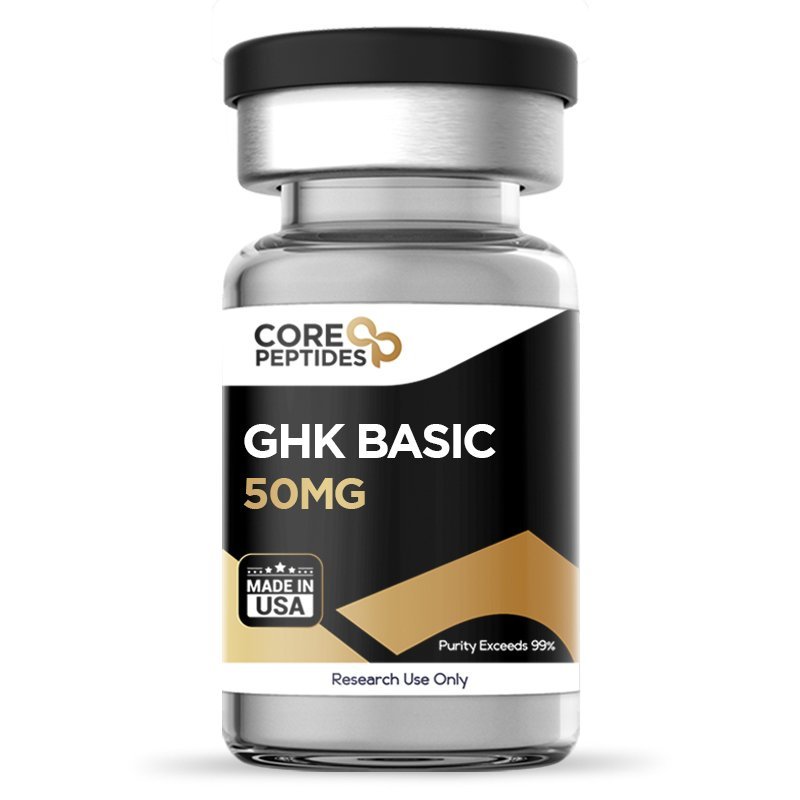
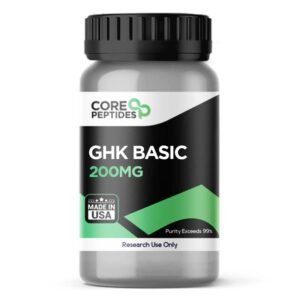
Before diving into the detailed breakdown, here are the essential specifications for the 50mg vial configuration available at CorePeptidesOfficial.com:
-
Product Type: Short signaling tripeptide (Glycyl-Histidyl-Lysine).
-
Format: Lyophilized (freeze-dried) white powder.
-
Purity Level: ≥98% via HPLC and Mass Spectrometry validation
-
Vial Size: 50mg of active peptide material.
-
Storage Requirement: Temperature-controlled environment (store at -20°C for long-term stability).
-
Intended Use: In vitro laboratory research and educational evaluation only. Not for human consumption.
-
Best-Fit Buyer: Qualified laboratory personnel, biotech researchers, and experimental wellness buyers requiring verified chemical baselines.
What Is ghk basic peptide?
The ghk basic peptide is a naturally occurring tripeptide consisting of three amino acids: glycine, histidine, and lysine. In biological systems, it serves as a fundamental signaling fragment. It is often studied for its affinity to bind with copper ions.
When people search for ghk basic for sale, they frequently encounter two terms: ghk basic vs ghk cu. It is critical to understand the distinction between these two chemical variants before you buy ghk basic.
-
GHK Basic: This is the uncomplexed, pure tripeptide. It does not have a copper ion bound to its structure. It appears as a clean white powder.
-
GHK-Cu (GHK Cu Basic): This is the copper complex version, where the GHK peptide is pre-bound to a copper atom. Due to the presence of copper, this variant typically appears as a distinct blue powder.
Researchers often prefer to source the ghk basic form when their experimental models require testing the peptide independently of pre-bound mineral complexes, or when they intend to control the precise ratios of mineral introduction in a laboratory setting.
Ghk basic Key Benefits and Use Cases
In biological research models, the ghk basic peptide benefits center around cell signaling, extracellular matrix interactions, and tissue upkeep pathways. Because it acts as a foundational signaling molecule, published in vitro data suggests it interacts with fibroblasts and gene expressions related to structural remodeling.
Common areas of laboratory exploration include:
-
Extracellular Matrix Dynamics: Investigating how the tripeptide influences collagen, elastin, and glycosaminoglycan synthesis in isolated cellular environments.
-
Gene Expression Modulation: Studying the peptide’s capacity to upregulate or downregulate specific tracking pathways associated with systemic cellular defense.
-
Comparative Studies: Utilizing both options in ghk cu vs ghk basic protocols to measure how cellular receptor binding changes when copper is absent versus when it is complexed.
Note: These mechanisms are observed strictly within controlled laboratory environments and do not translate to structural or medical claims for human applications.
Ghk basic peptide Quality, Purity, and Testing Standards
In the gray-market chemical and biotech spaces, compound integrity is everything. Poorly manufactured peptides can contain residual TFA (trifluoroacetic acid), heavy metals, or structural isomers that alter your research outcomes.
When evaluating ghk basic for sale, a premium product must adhere to stringent quality control baselines:
-
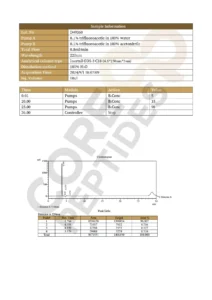
High-Performance Liquid Chromatography (HPLC): This test separates the chemical components to determine the exact purity percentage. Reliable batches must show a purity profile of 98% or higher.
-
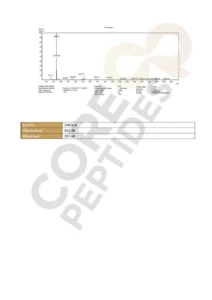
Mass Spectrometry (MS): This verifies the precise molecular weight of the ghk basic peptide to guarantee that the amino acid sequence is correct and free from cross-contamination.
-
Lyophilization Integrity: The freeze-drying process must remove all residual moisture to prevent early peptide degradation and ensure clean reconstitution during lab preparation.
How to Evaluate Before Buying ghk basic peptide
Sourcing research chemicals safely requires diligence. Before committing to a purchase at checkout, buyers should implement a strict verification checklist to ensure they are receiving a legitimate, unadulterated compound.
-
Demand a Batch-Specific Certificate of Analysis (COA): Do not rely on static, outdated testing images on a storefront. Ensure the supplier provides a COA linked directly to the current batch number of your vial.
-
Check the Visual Characteristics: Pure ghk basic should always arrive as a uniform white cake or powder. If you buy a product labeled as basic, but it exhibits a blue tint, it has likely been cross-contaminated or pre-complexed as ghk cu basic.
-
Review Intended Use Labeling: Reputable vendors maintain clear compliance boundaries. The product label must explicitly state “For Research Use Only” or equivalent regulatory language to ensure the material was manufactured under strict laboratory synthesis protocols rather than consumer cosmetic rules.
Ghk basic peptide Storage, Handling, and Usage Considerations
Peptides are delicate molecules held together by fragile peptide bonds. Improper handling can cause rapid degradation, rendering your research material useless.
-
Unreconstituted Storage: Keep the lyophilized powder in a dry, dark location. For short-term storage (under 1 month), steady refrigeration at 4°C is acceptable. For long-term preservation, store the vial at -20°C or lower.
-
Reconstitution Precautions: When preparing the sample for biological evaluation, introduce your sterile bacteriostatic water or laboratory buffer gently down the inside wall of the glass vial. Avoid shaking or agitating the vial aggressively, as mechanical stress can shear the peptide chain.
-
Post-Reconstitution Shelf Life: Once liquid is introduced, the peptide should be kept refrigerated at 4°C and utilized within an optimal window [verify exact days with brand/source] to ensure peak potency.
Expert Insight / Pro Tip
When designing a comparative study analyzing ghk basic vs ghk cu, always account for the baseline pH of your solvent environment. Because the ghk basic peptide lacks a pre-bound copper ion, its structural stability and charge profile change differently across acidic or alkaline mediums compared to its copper-bound counterpart. Documenting these initial solvent variances is key to achieving reproducible, high-accuracy data in your testing models.
Why Choose CorePeptidesOfficial.com
CorePeptidesOfficial.com positions itself as a transparent, quality-first destination in the grey-market biotech landscape. By focusing on stringent batch tracking, accessible third-party verification documents, and temperature-optimized secure shipping frameworks, the platform satisfies the precise needs of modern research institutions and analytical labs globally.
Common Mistakes to Avoid
-
Confusing the Two Variants: The most frequent error is purchasing ghk basic when the experimental design explicitly calls for the copper-complexed version, or vice versa. Double-check your testing protocol prior to completing your procurement cycle.
-
Ignoring Third-Party Verification: Sourcing purely based on the lowest market price often exposes labs to under-dosed vials or high levels of residual manufacturing reagents.
-
Improper Thermal Management: Allowing vials to sit at room temperature for extended periods after arrival can compromise the structural baseline of the tripeptide.
Final Buying Guidance
Sourcing the right materials ensures the validity and accuracy of your work. The ghk basic tripeptide is a powerful, versatile tool for exploring cellular signaling, structural biology, and comparative peptide complexes.
If you are ready to acquire verified, high-purity materials for your institutional or personal testing models, verify your batch records and explore the official product availability over at CorePeptidesOfficial.com.
FREQUENTLY ASKED QUESTIONS
1. What is the main difference when comparing ghk basic vs ghk cu?
The primary difference is the presence of copper. GHK Basic is the raw, uncomplexed tripeptide fragment and appears as a white powder. GHK-Cu is the identical tripeptide bound to a copper ion, which alters its chemical characteristics and gives it a blue appearance.
2. Can I use GHK Basic peptide for human cosmetic or therapeutic applications?
No. Products sourced under these specifications are intended strictly for in vitro laboratory research, education, and diagnostic evaluations. They are not cleared or approved for human consumption, injection, or topical cosmetic use.
3. How should I store the vial once it arrives from CorePeptidesOfficial.com?
Keep the lyophilized vial in a dark freezer at -20°C for long-term stability. Avoid frequent freeze-thaw cycles, and only reconstitute the compound immediately before your scheduled laboratory testing.
4. Why does the purity percentage on a ghk basic peptide COA matter?
Purity percentages (ideally ≥98%) ensure that your experimental environment is free from unexpected synthetic byproducts, heavy metals, or truncated peptide sequences that could distort data or cause unintended cellular reactions.
5. Where can I access the third-party testing data for this batch?
Batch-specific testing data, HPLC charts, and mass spectrometry profiles can be accessed directly through the transparency portal or requested via consumer support to confirm quality standards before use.
Certificate of Analysis
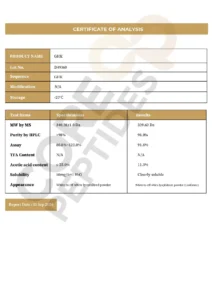
HPLC
Mass Spectrometry
Be the first to review “GHK Basic ( 50mg )”
Related products
Peptides
Reviews
There are no reviews yet.