
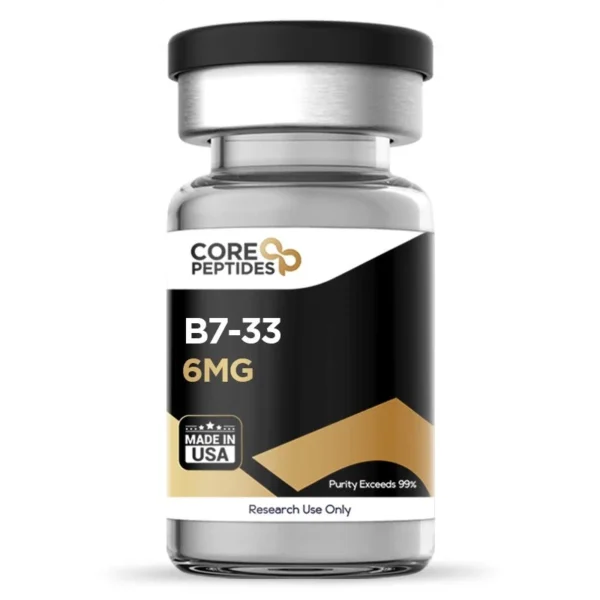
Buy B7-33 Peptide Vials: Sourcing High-Purity Commercial B7-33 6mg
The commercial interest in the b7-33 peptide has expanded rapidly as cardiovascular, pulmonary, and extracellular matrix research facilities scale up their testing models. Sourcing this highly specialized target compound requires finding a professional supplier that understands strict batch-to-batch consistency. For procurement managers, principal investigators, and clinical researchers looking to buy b7-33 peptide variants, securing a reliable supply of premium-tier lyophilized powder is the single most essential step to ensuring stable, repeatable study variables.
This commercial guide details how to confidently evaluate b7 33 options, check chemical verification logs, and select high-purity formulas over unverified marketplace alternatives.
Quick Facts / Product Highlights
-
Product Type: Soluble Single-Chain Relaxin Receptor (RXFP1) Agonist
-
Primary Format: Lyophilized (freeze-dried) vacuum-sealed powder vial
-
Standard Mass: B7-33 6mg per vial [verify with brand/source]
-
Target Application: Extracellular matrix remodeling, tissue remodeling modeling, and antifibrotic path indexing
-
Purity Standard: Independent third-party verified (minimum 98% purity benchmark) [verify with brand/source]
-
Storage Requirement: Shipped with temperature-stable packaging; requires long-term refrigeration (2–8°C) or deep freezing (-20°C)
-
Intended Use: Exclusive laboratory research and development purposes only
What the Product Is: Commercial Architecture of the B7-33 Peptide
When evaluating what is b7-33, it helps to examine its biochemical evolution. Human relaxin-2 is a naturally occurring hormone that has shown immense promise in cardiovascular and tissue-protective research. However, native relaxin-2 consists of a complex, dual-chain structure that is exceptionally difficult and expensive to synthesize in a laboratory environment. Furthermore, full-length relaxin triggers the production of cyclic adenosine monophosphate (cAMP), which can increase the risk of tumors or unwanted cellular growth in long-term experimental models.
The b7 33 peptide represents a major engineering breakthrough. It is a simplified, single-chain synthetic derivative made up of the primary receptor-binding region of human relaxin-2. When researchers buy b7-33 peptide lots, they are acquiring a targeted agonist designed to bind preferentially to the Relaxin Family Peptide Receptor 1 (RXFP1).
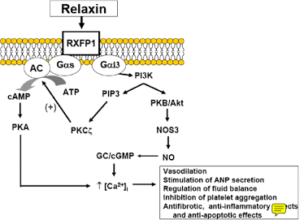
Crucially, b7-33 is a functionally biased ligand. This means it activates the beneficial tissue-protective, matrix-remodeling pathways (like pERK phosphorylation) without triggering the troublesome cAMP-dependent signaling cascades.
Key Benefits and Research Use Cases of B7-33 Peptides
Before you select b7-33 configurations for your research inventory, it is vital to review the main biochemical pathways where these b7 33 peptides show the highest clinical interest:
1. Extracellular Matrix (ECM) Remodeling
The primary commercial application for the b7-33 peptide centers on how tissues heal after injury. In chronic injury models where organs develop excessive stiffening or scarring, this peptide helps up-regulate matrix metalloproteinases (MMPs). This allows researchers to track how effectively the body breaks down over-accumulated collagen clusters.
2. RXFP1 Receptor Activation Mechanics
Unlike full-length proteins that activate broad cellular signals, b7-33 peptide benefits stem from its biased receptor affinity. Researchers choose this molecule to isolate and map the RXFP1 pathway down stream without facing the background noise caused by overlapping hormone receptors.
3. Vascular Tone & Endothelial Function Studies
Early evaluations show that b7 33 peptide benefits may extend into the study of blood vessel relaxation. By stimulating high levels of endothelial nitric oxide synthase (eNOS), the compound serves as an interesting model for studying vascular health and blood flow resistance under oxidative stress conditions.
Sourcing Matrix: B7-33 vs Recombinant Human Relaxin-2
When balancing your laboratory’s quarterly procurement budget, use this structural matrix to evaluate how these choices compare across standard ordering metrics:
| Sourcing Metric | B7-33 Peptide | Recombinant Human Relaxin-2 |
| Molecular Structure | Single-chain synthetic peptide | Complex dual-chain protein matrix |
| Average Cost Profile | Highly Cost-Effective (Streamlined solid-phase synthesis) | Premium Cost (Difficult, low-yield recombinant processing) |
| cAMP Activation | Effectively Zero (Biased ligand design) | High systemic activation |
| Primary Research Domain | Targeted fibrotic tissue models & ECM breakdown | Broad endocrine & pregnancy-related hormone tracking |
Quality, Purity, and Testing Standards
The global market for research chemicals contains substantial quality variations. Because synthesizing single-chain peptides like b7 33 requires precise sequence layering, cheap or low-cost operations often cut corners. This can leave behind unwanted truncated sequences or residual solvents inside the glass.
To protect your budget and ensure clean research data, avoid non-injectable formats like liquid drops or capsules. You must buy b7-33 in its dry, lyophilized state.
The Core Verification Framework
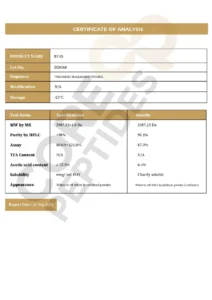
When completing an order at checkout, always verify that your batch is backed by a contemporary independent laboratory Certificate of Analysis (COA) containing these exact parameters:
-
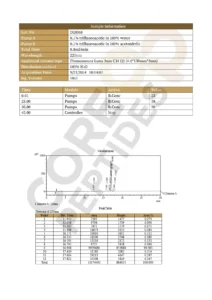
High-Performance Liquid Chromatography (HPLC): This test charts the absolute purity percentage of your sample. Never accept a commercial batch rated below a 98% baseline.
-
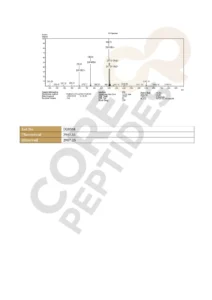
Mass Spectrometry (MS): This verifies the unique molecular weight of the b7-33 structure, proving the chemical chain is completely intact and matches the target reference standard perfectly.
How to Evaluate This b7-33 peptide Before Buying from corepeptidesofficial.com
To find the best place to source your research materials with complete financial security, use this pre-checkout screening checklist:
-
Strict Research Use Only Language: Safe, legitimate operations state clearly that the chemical is for laboratory research use only. Avoid any web store that lists consumer athletic training logs, cosmetic usage guides, or medical treatment claims.
-
Traceable Batch Control: The product labels on your b7-33 peptide dosage vials must display an active batch number linking directly to an open testing ledger.
-
Vacuum Cake Integrity: Premium freeze-dried peptides present as a uniform, solid white cake compressed at the bottom of the glass. Avoid vials showing loose, melted, or yellowed powder layers, which reveal a compromised seal.
Storage, Handling, and Reconstitution Considerations
Learning the exact steps for handling your material protects your laboratory investment from accidental degradation.
The Reconstitution Process
Because the 6mg vial contains a highly concentrated mass, fluid ratios must be calculated carefully. For a clean b7-33 peptide dosage distribution, slowly trickle your sterile solvent (such as bacteriostatic water) down the inner glass wall of the vial. Do not spray fluid directly onto the dry cake. Gently rotate the vial between your fingers until transparent. Never shake it.
Temperature Control and Storage
Store raw, un-reconstituted dry vials in a deep freezer at -20°C for long-term shelf stability. Once mixed with a liquid solution, the material becomes highly fragile. Store the reconstituted liquid in a dark refrigerator at 2–8°C and use it within 30 days to maintain maximum potency [verify with brand/source].
Common Mistakes to Avoid When Buying b7-33 from corepeptidesofficial.com
-
Trusting Uncalibrated Dosing Guides: Because there is no universal human b7-33 peptide dosage, relying on informal forum discussions can introduce massive mathematical errors into your calculations. Always utilize an explicit dosage calculator calibrated precisely to the 6mg total mass volume.
-
Confusing the Molecular Target: Ensure you do not confuse b7-33 with other relaxin-family analogues or generic anti-scarring compounds in your ordering portal. Check the CAS registration numbers or structural details to ensure absolute molecular alignment before submitting payment.
-
Overlooking Shipping Insulation: Peptides degrade rapidly if exposed to high ambient heat during cross-country transport. Ensure your supplier utilizes temperature-controlled packaging to shield your materials during transit.
Expert Insight / Pro Tip
When designing an experimental protocol looking at tissue remodeling, remember that b7-33 works best when administered during active cellular synthesis phases. If the cell model has already entered an advanced, calcified state, the tissue matrix may be too rigid for matrix metalloproteinase up-regulation to show measurable, clear visual shifts on your culture plates.
Why Choose CorePeptidesOfficial.com?
CorePeptidesOfficial.com is a premier supplier of high-mass, highly stable research materials. We don’t cut corners in our production. Our b7-33 6mg vials are processed in state-of-the-art sterile facilities to completely eliminate synthetic cross-contamination.
We offer fully traceable batch validation data, transparent tier pricing for bulk buyers, and fast, climate-protected shipping to ensure your compounds arrive in pristine laboratory condition.
Final Buying Guidance
The b7-33 peptide represents an incredible milestone in extracellular matrix and tissue remodeling research, offering a way to isolate tissue-protective traits without triggering unwanted cellular signaling pathways. To protect the integrity of your results, verify your purity levels and choose a supplier built on absolute lab verification.
If you are ready to secure a fully verified batch for your laboratory, view our current testing documentation and purchase directly on the official CorePeptidesOfficial.com B7-33 6mg Product Page.
Frequently asked Questions
1. Where can I buy b7-33 peptide with verified third-party testing?
You can secure highly purified, batch-tested vials directly through the CorePeptidesOfficial.com Commercial Catalog. Every shipment includes full access to corresponding HPLC/MS quality documentation.
2. Is there a universal b7-33 peptide dosage?
No, there is no standardized human or animal dosage. Because b7-33 is sold strictly as a laboratory research chemical, the appropriate application mass must be calculated by the lead researcher based on the specific cell line or body weight of the animal subject being studied.
3. What is the difference between b7-33 and human relaxin-2?
Human relaxin-2 is a complex, dual-chain protein that triggers broad cellular pathways, including a strong up-regulation of cAMP. B7-33 is a streamlined single-chain synthetic peptide that functions as a biased ligand, activating beneficial tissue repair pathways while leaving the cAMP pathway inactive.
4. How should I store my b7-33 6mg vials upon delivery?
Lyophilized dry vials should be stored immediately in a freezer at -20°C for maximum shelf life. Once reconstituted with a liquid solution, the compound should be kept in a dark refrigerator at 2–8°C and used within 30 days [verify with brand/source].
5. What does a high-quality b7-33 peptide vial look like?
A premium vial will contain a solid, uniform white “cake” of freeze-dried powder at the bottom, held under a tight vacuum seal. If the powder looks melted, watery, or clumped into yellowed crystals, the seal has likely failed, and the chemical structure may be degraded.
Certificate of Analysis
HPLC
Mass Spectrometry
Be the first to review “B7-33 (6mg)”
Related products
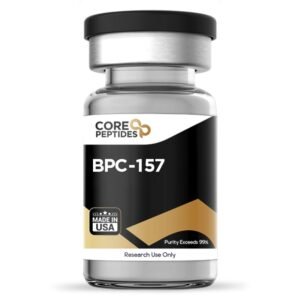
Peptides
Reviews
There are no reviews yet.